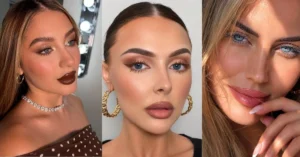
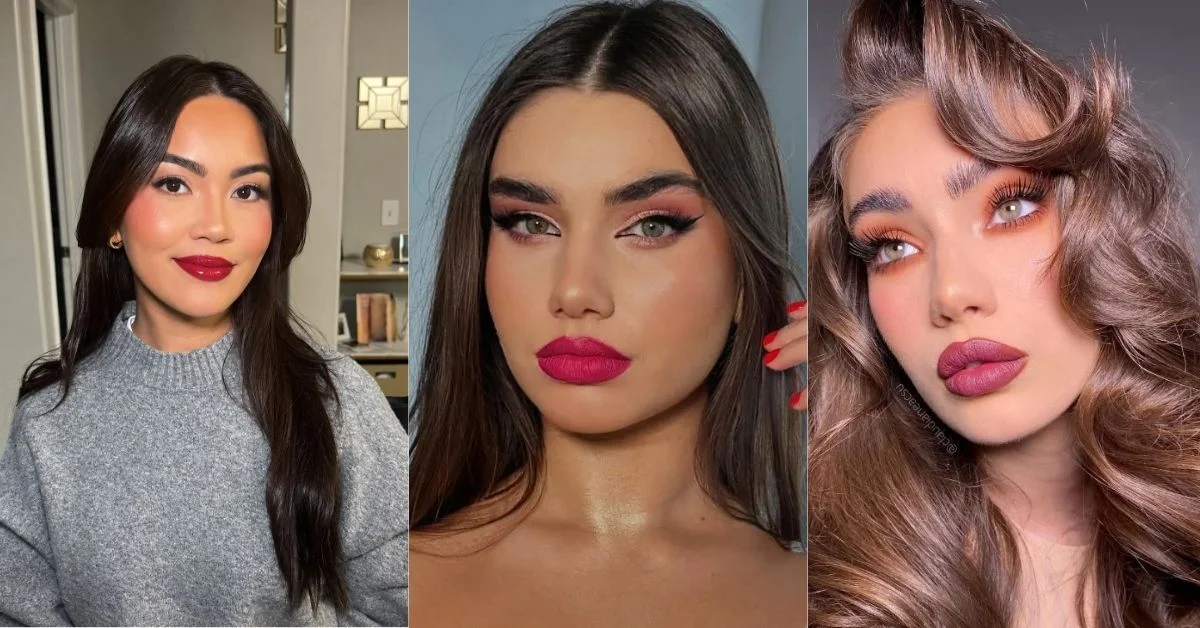
The right lipstick can bring your whole makeup look together. If you have cool undertones, start with shades with pink, blue, or violet bases. Think rosy nudes, soft mauves, bright pinks, classic reds, and rich berry colors.
But finding a flattering lipstick is about more than choosing a color labeled “cool.” Your natural lip color, skin depth, and preferred makeup style all affect how a shade looks on you.
These 18 lipstick colors for cool undertones range from understated everyday nudes to bold, dramatic shades. Each offers a different look, so you can find your favorites without ending up with a collection of lipsticks that all look alike.
1. Pink-Beige Nude Lipstick
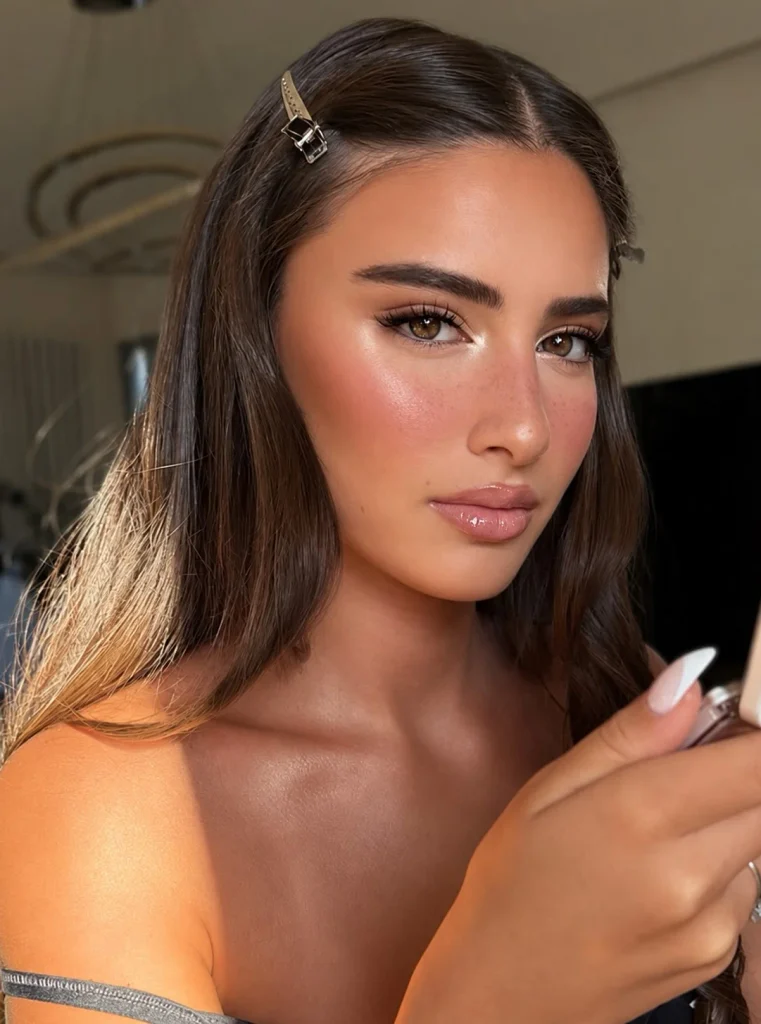
A pink-beige nude lipstick gives your lips a natural-looking wash of color without the strong yellow or orange cast that some beige lipsticks have. It is an easy choice when you want your makeup to look polished but understated.
Choose a shade close to your natural lip color for the most effortless result.
If your lips are naturally pigmented, a slightly deeper rosy nude may look more balanced than a very pale beige.
2. Cool Taupe Lipstick
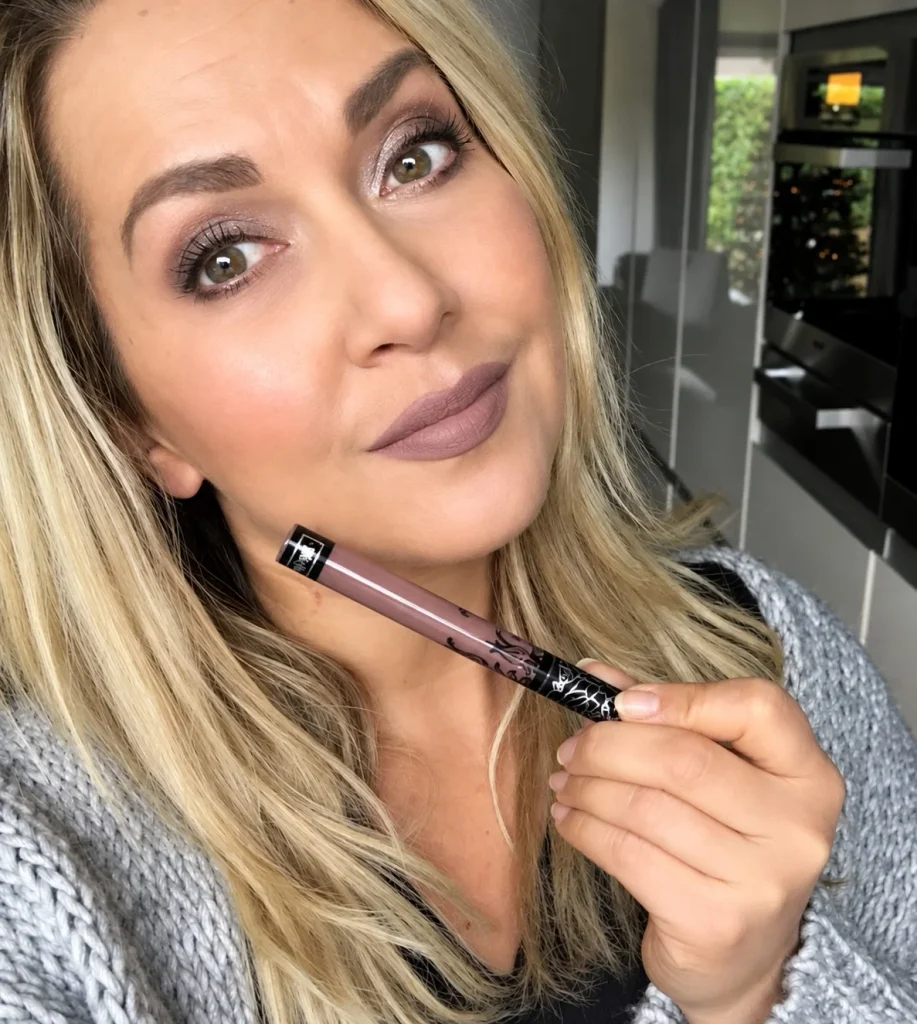
Cool taupe lipstick brings a muted gray-brown tone to the lips.
It feels modern and understated, making it a distinctive alternative to pink-based nude lipstick.
This shade works well with minimalist makeup and neutral clothing. Look for a taupe with enough brown or rosy color to keep it from appearing too gray on your complexion.
3. Rosewood Lipstick
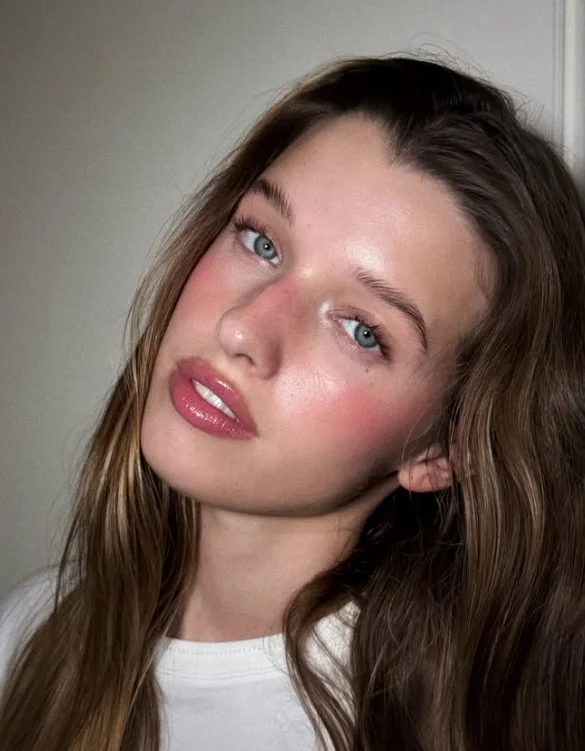
Rosewood lipstick combines rose and brown for a rich, sophisticated color. Compared with a pink-beige nude, it has more depth and defines the lips more strongly.
It is especially useful if you want an everyday lipstick that looks more substantial than a sheer nude but less dramatic than red. A rosy-brown shade with a subtle cool or neutral base is a good place to start.
4. Classic Mauve Lipstick
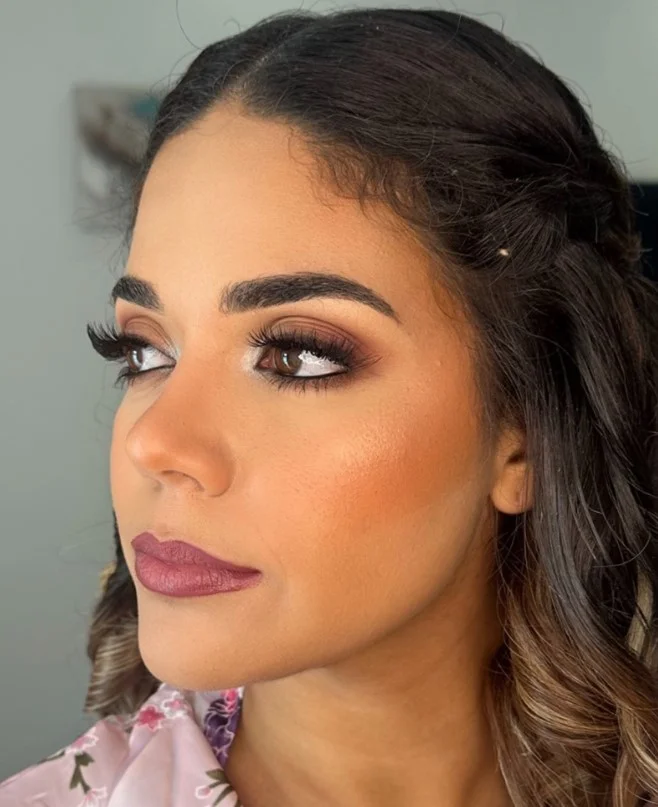
Mauve lipstick sits between pink and purple, giving it a distinctive, polished look without being overly bright. It is deeper and more purple-toned than a typical cool rose.
A classic mauve is a versatile option for anyone who wants something more interesting than a nude.
Choose a muted version for everyday wear, or a deeper mauve for more definition.
5. Cool Rose Lipstick
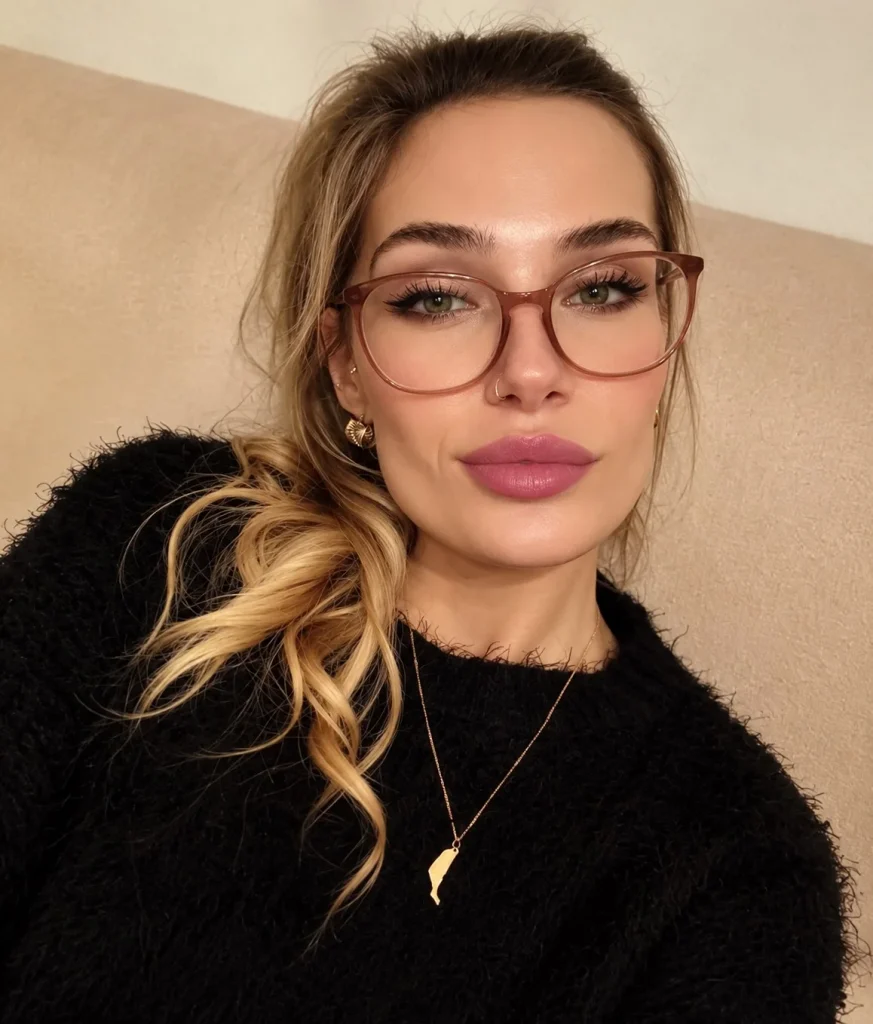
Cool rose lipstick is a clear, rosy pink without the strong brown base of rosewood or the purple cast of mauve.
Its appeal is its simplicity: it adds color while keeping the overall look natural.
This is a good choice if you want a lipstick that works with a range of outfits and makeup styles. A sheer formula gives a soft flush, while a more opaque version makes the rosy color stand out.
6. Ballet Pink Lipstick
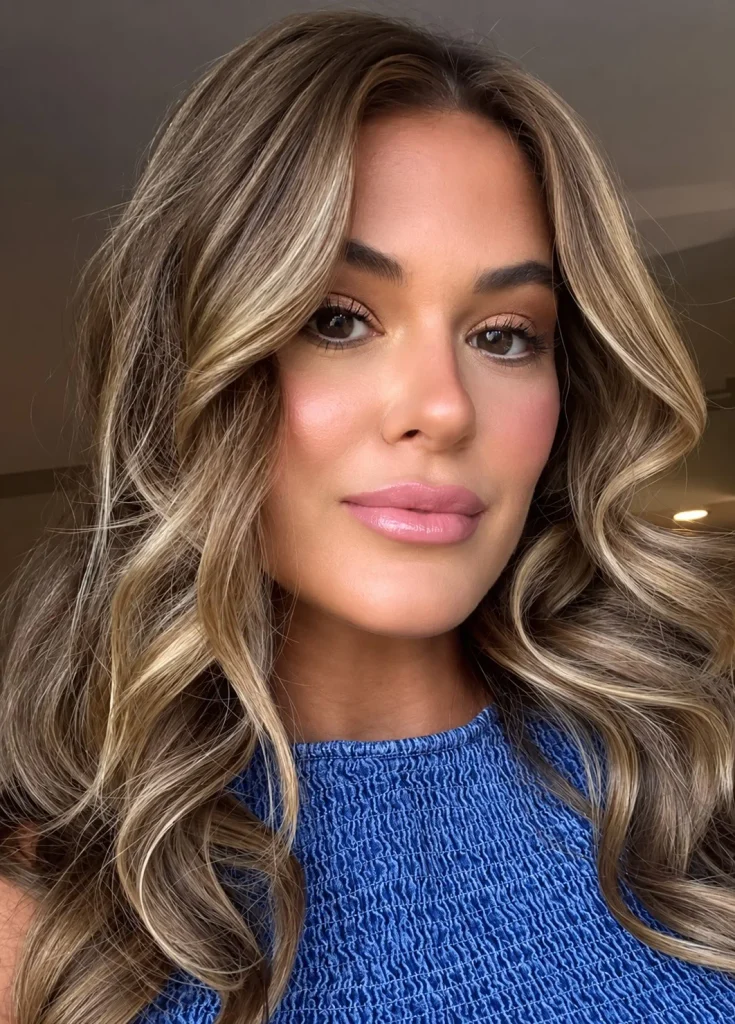
Ballet pink lipstick is a delicate, light pink that creates a soft, feminine look. Unlike cool rose, it’s much paler and works best when you want a subtle lip.
The right depth matters.
Very pale pink can look chalky on some lips, so consider a creamy shade with enough pigment to remain visible against your natural lip color.
7. Lilac Pink Lipstick
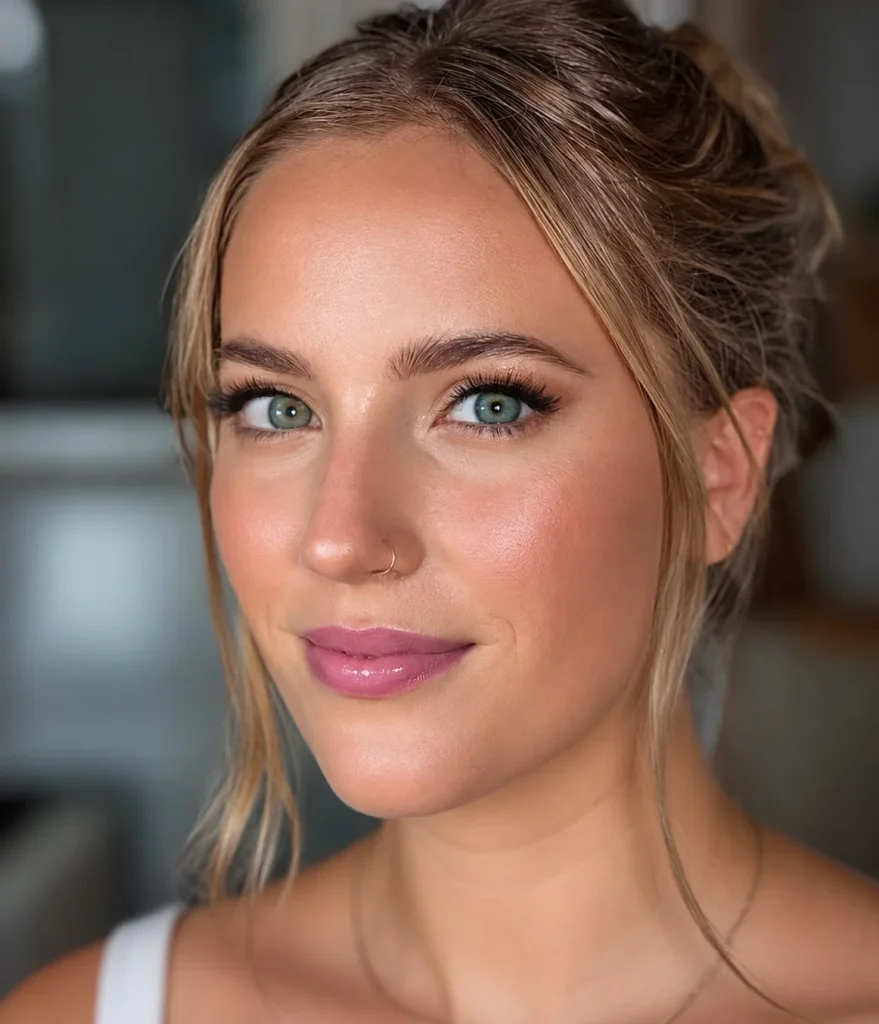
Lilac pink lipstick has a noticeable lavender cast that sets it apart from traditional pink lipstick.
It is playful, slightly unconventional, and ideal for anyone who enjoys experimenting with color.
Try a sheer formula for a softer effect, or choose a more opaque lipstick for a bolder pastel look. This shade is less of an everyday neutral and more of a way to give your makeup a distinctive twist.
8. Electric Pink Lipstick
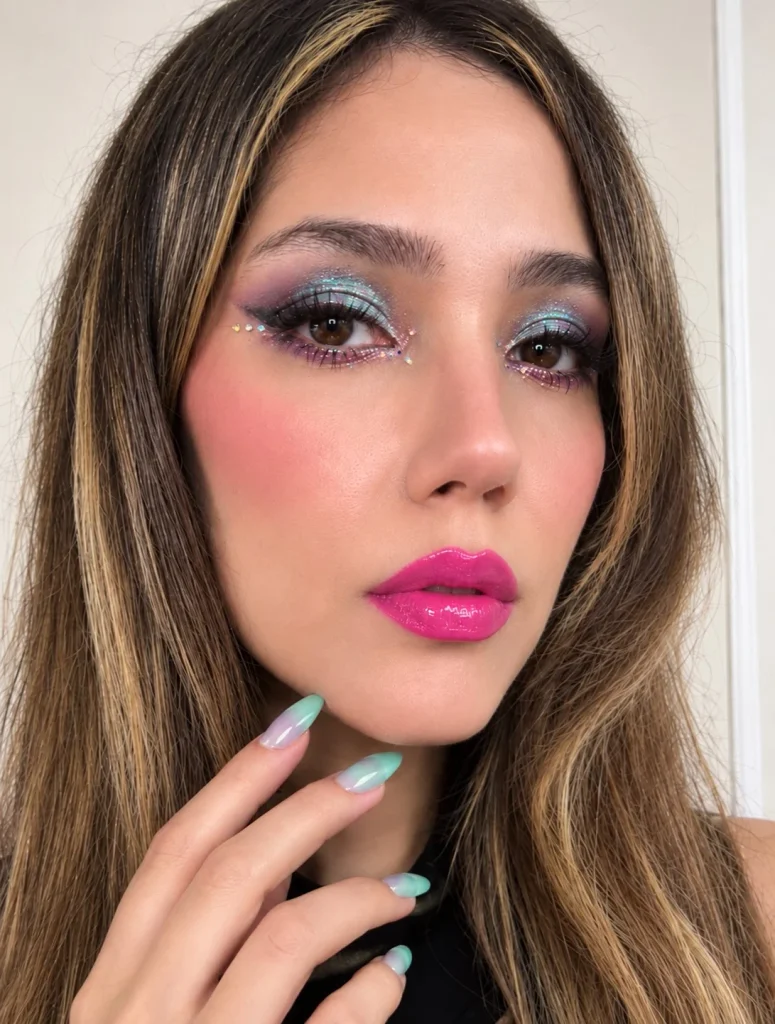
Electric pink lipstick is bright, vivid, and unmistakably pink. It creates more impact than ballet pink or cool rose and can make even simple makeup feel intentional.
For a cooler effect, look for a clear, blue-based pink rather than a coral shade. Apply it fully for a statement lip, or dab it on lightly for a more relaxed finish.
9. Fuchsia Lipstick
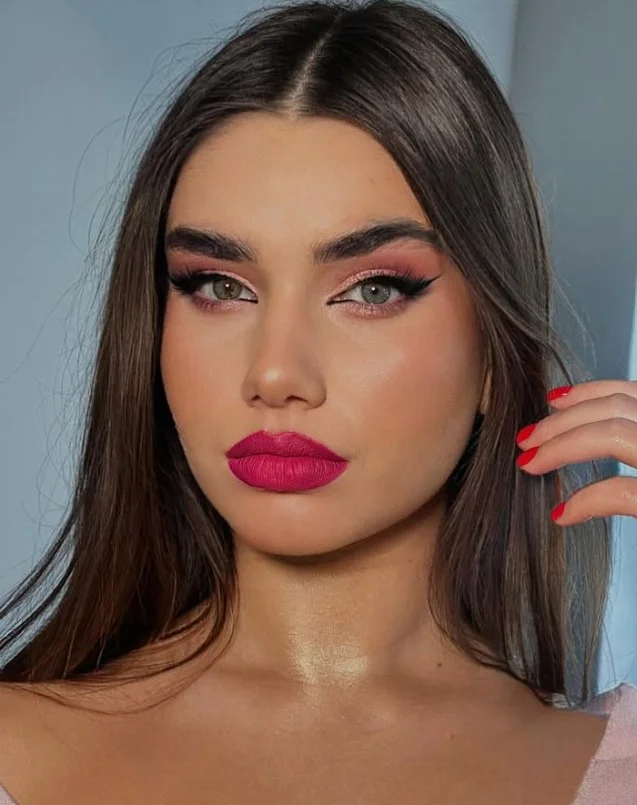
Fuchsia lipstick takes bright pink in a more saturated, magenta direction. Its noticeable purple-pink quality makes it richer and more dramatic than electric pink.
This is a strong choice for anyone who loves colorful makeup.
If you are choosing between fuchsia and electric pink, compare the undertones: electric pink reads as a vivid pink, while fuchsia has a more pronounced magenta character.


10. Raspberry Lipstick
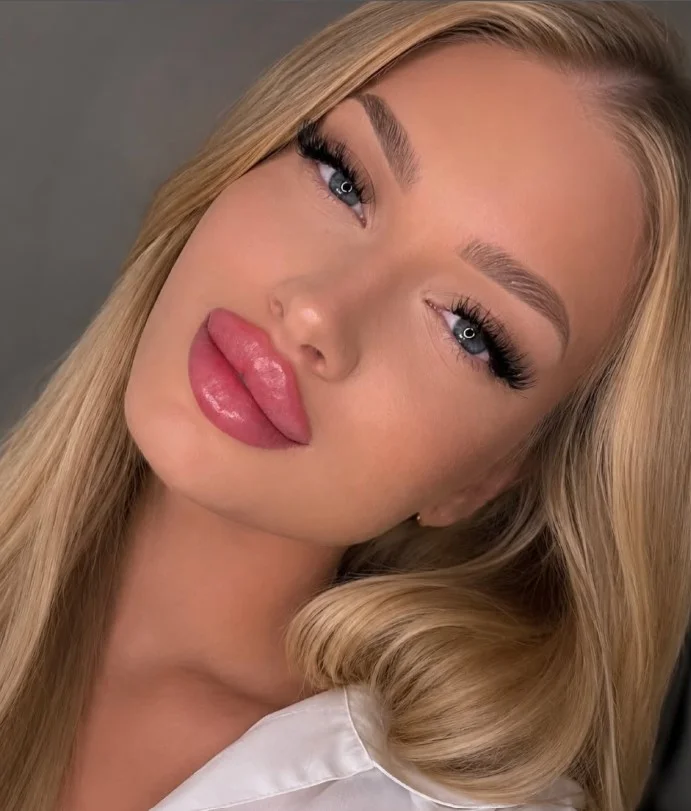
Raspberry lipstick blends pink and red into a lively berry shade. It has more red than fuchsia, making it a good option when you want something colorful without choosing a traditional red lipstick.
A raspberry shade can brighten your makeup while still feeling easy to wear. Choose a pinker version for a fresher appearance or a redder one for a richer berry-red look.
11. Blue-Based Red Lipstick
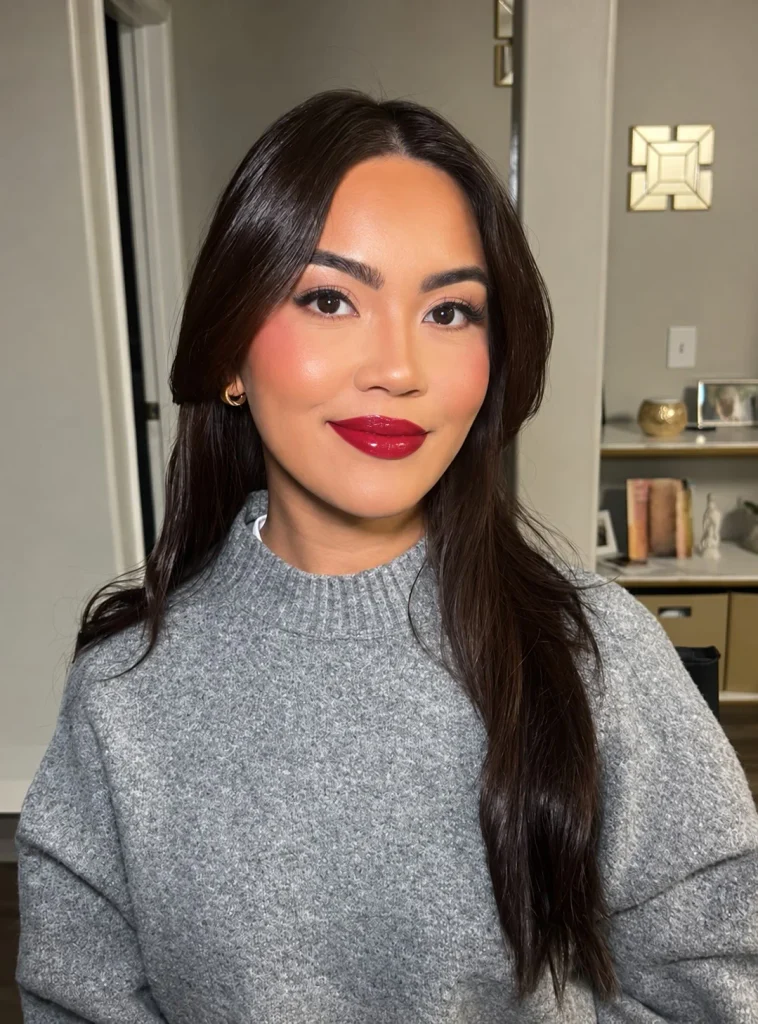
Blue-based red lipstick is one of the most timeless lipstick colors for cool undertones. Its cooler red base distinguishes it from orange-red and tomato shades.
The color itself provides plenty of definition, so you can keep the rest of your makeup simple.
If you are buying your first red lipstick, test it in natural light and see how it looks against your lips before deciding.
12. Cherry Red Lipstick
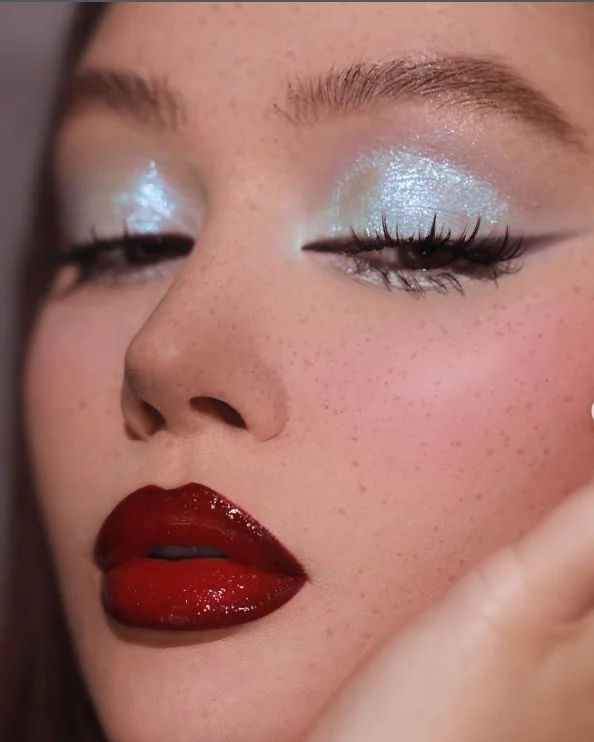
Cherry red lipstick looks bright and lively, feeling fresher and more playful than a deeper classic red. Depending on the formula, it can look glossy and juicy or crisp and defined.
Choose a cherry red with a cool or pinkish base for that effect. A glossy finish gives it a fresh look, while a satin formula creates a more traditional red lip.
13. Cranberry Lipstick
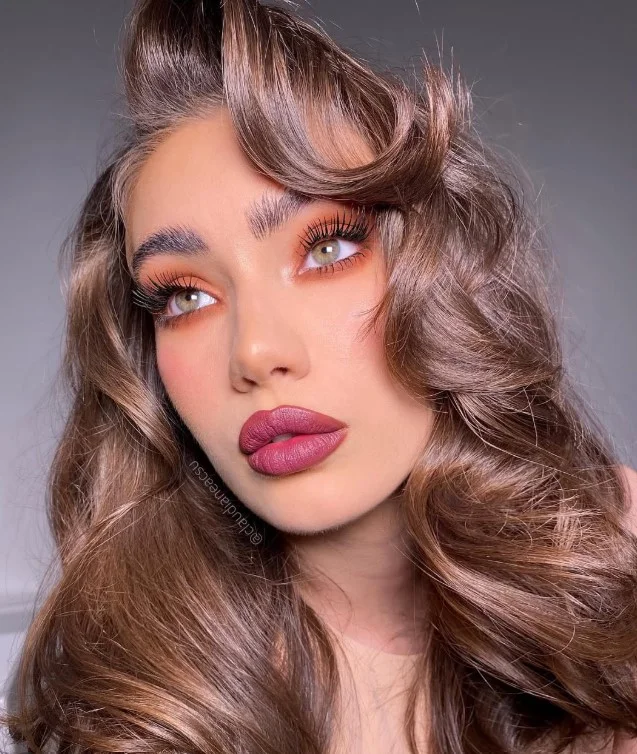
Cranberry lipstick is a deeper berry-red with more depth than cherry red. It retains a noticeable red base, but the berry undertone makes it feel richer and less bright.
If vivid red feels too bold, cranberry offers a more subdued alternative without moving all the way into purple.
It is also a useful introduction to deeper lipstick shades.
14. Deep Plum Lipstick
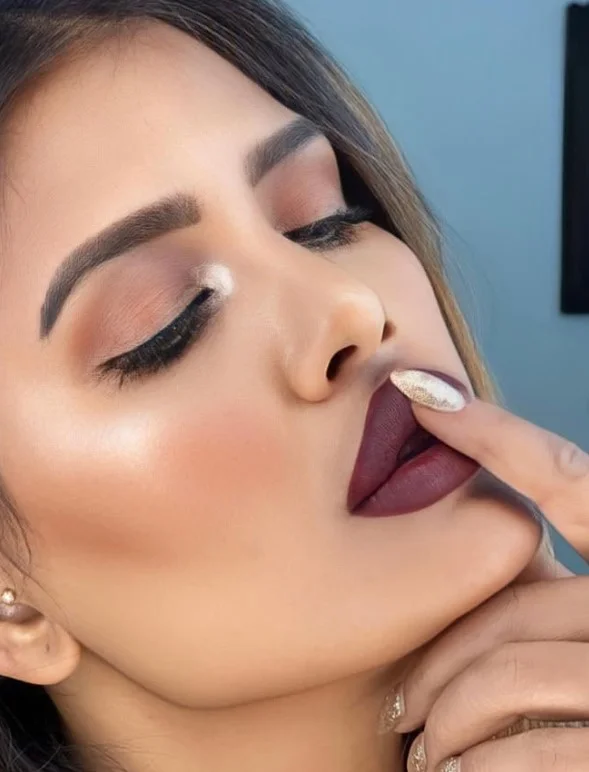
Deep plum lipstick is distinctly purple, giving it a dramatic character that sets it apart from red-based berry shades. It is ideal if you want to step away from conventional pinks and reds.
The shade can look rich and elegant in a satin formula or more intense in matte lipstick. For a softer result, apply a thin layer instead of building full coverage.
15. Burgundy Wine Lipstick
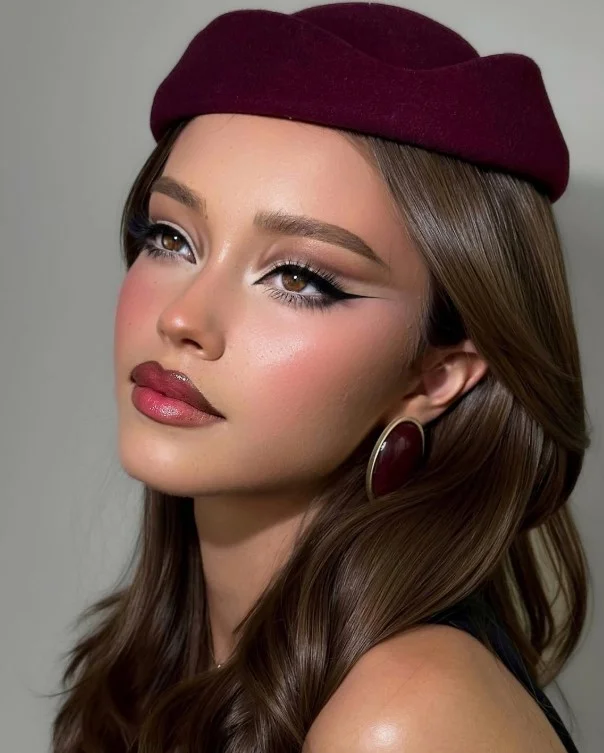
Burgundy wine lipstick is a deep, sophisticated red with a wine-colored finish. It is darker than cranberry but generally more red than deep plum.
Choose burgundy when you want a rich lip without the nearly black appearance of blackberry.
The red base keeps the color recognizable, while its depth adds drama to the finished look.
16. Blackberry Lipstick
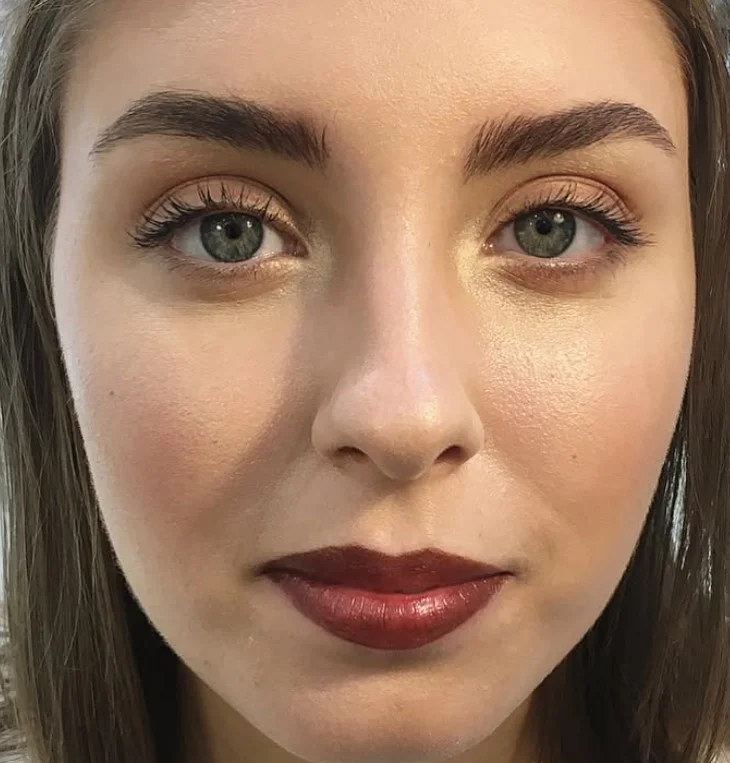
Blackberry lipstick is an extremely deep berry shade with a strong purple undertone.
In an opaque formula, it can appear almost black, making it one of the boldest options on this list.
If that depth feels intimidating, press a little lipstick onto your lips and blend it out for a sheer berry stain. For a full statement, apply it more heavily to reveal its dark purple color.
17. Cool Cocoa Brown Lipstick
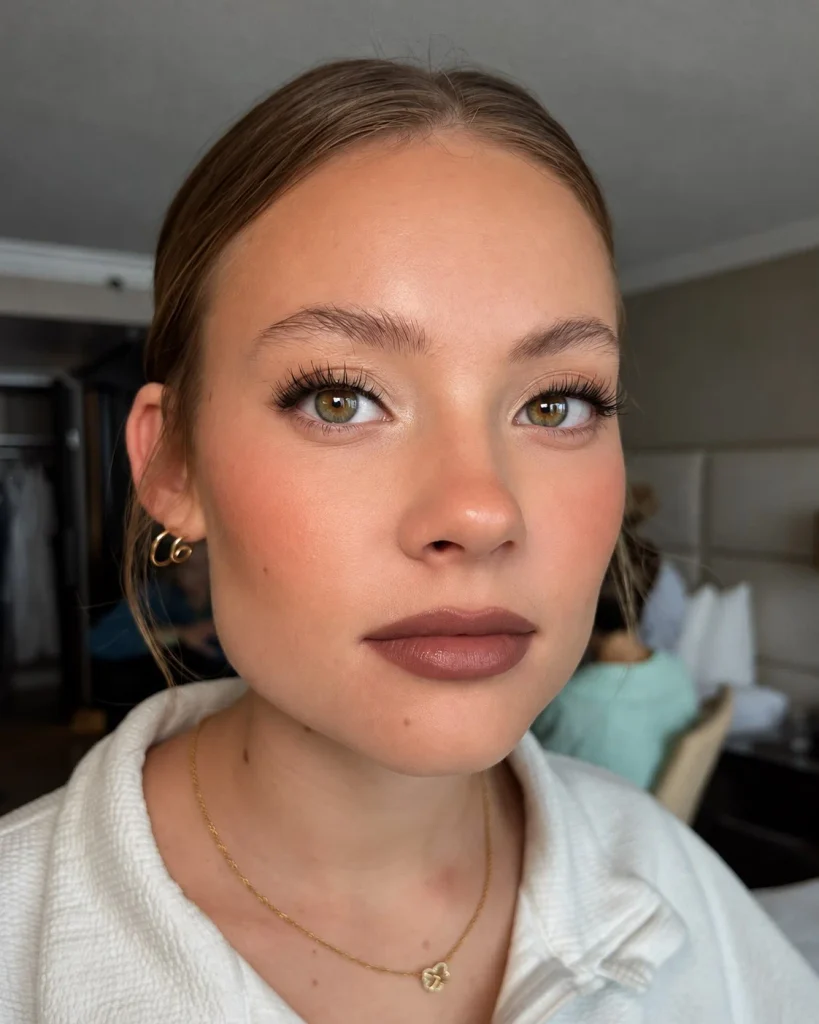
Cool cocoa brown lipstick is a rich neutral for people who prefer brown lipstick to pink or berry shades. It has a brown base without the strong golden or orange cast of many warm browns.
The result can be understated or dramatic depending on how deep the shade is.
Medium cocoa makes a useful everyday neutral, while a deeper version adds more definition.
18. Sheer Berry Lip Stain
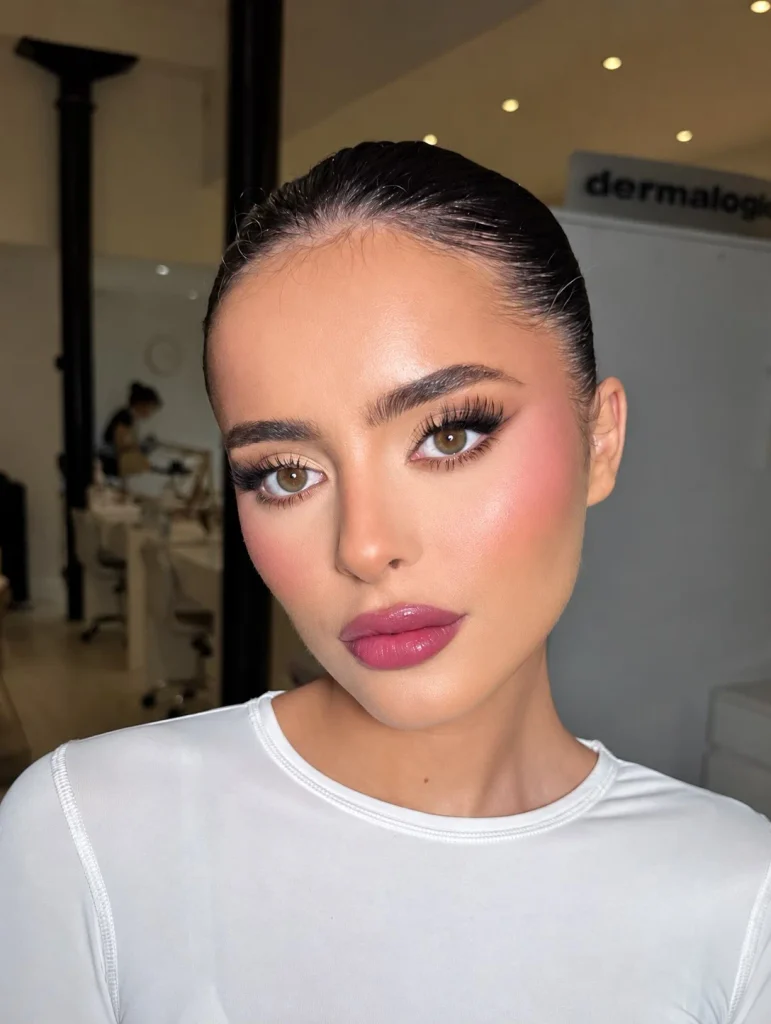
A sheer berry lip stain creates a softer effect than an opaque berry lipstick.
Instead of covering your lips with a solid block of color, it leaves a translucent tint that works with your natural lip pigmentation.
This is a practical choice if you enjoy berry shades but prefer a lighter finish. Apply one layer for a subtle flush or build the color gradually for a stronger result.
How to Choose the Best Lipstick for Cool Undertones
You do not need to memorize every shade to find a lipstick you love. Start with the effect you want, then choose a color that complements your natural coloring.
- For everyday makeup: Pink-beige nude, rosewood, cool rose, and cool cocoa brown offer understated options.
- For soft pink lips: Ballet pink gives a delicate finish, while lilac pink adds a more unusual lavender tone.
- For brighter color: Electric pink, fuchsia, and raspberry provide different levels of intensity.
- For a classic red lip: Try blue-based red for a timeless look or cherry red for a brighter finish.
- For deep, dramatic color: Cranberry, burgundy wine, deep plum, and blackberry offer different combinations of red, purple, and depth.
Final Thoughts
The best lipstick colors for cool undertones go far beyond pale pink and classic red. Rosy nudes offer an easy everyday option, bright pinks bring energy, and deeper berry shades add drama when you want a stronger look.
If you are unsure where to begin, try rosewood for a natural-looking lip, blue-based red for a timeless statement, or a sheer berry stain for a softer finish. Experiment with different depths and formulas until you find the colors you genuinely enjoy wearing.
The best lipstick is the one that makes you feel like yourself—not simply the one a color guide recommends.
FAQs
What lipstick colors look best on cool undertones?
Blue-based reds, rosy pinks, mauves, fuchsia, berry, and plum lipsticks work well for cool undertones. Pink-based nude shades can also work beautifully for everyday makeup. The most flattering option depends on your skin depth, natural lip color, and preferred makeup style.
Can people with cool undertones wear brown lipstick?
Yes. Choose brown lipsticks with rosy, taupe, or cool cocoa undertones rather than shades that lean strongly orange or golden. A cool brown can create a polished, understated look while complementing pink or blue undertones.
Do cool-toned lipsticks suit fair and deep skin tones?
Yes. Cool-toned lipsticks can suit fair, medium, and deep skin tones. Lighter complexions may prefer soft rose or pink-beige shades, while deeper complexions may enjoy rich berry, plum, and wine colors. These are starting points, not strict rules; the shade’s depth and your natural lip pigmentation also matter.
How can I tell if a lipstick has cool undertones?
Look for pink, blue, violet, or berry tones rather than strong orange, peach, or golden tones. If possible, swatch the lipstick and check it in natural daylight. Testing it on your lips helps because your natural lip color can change how the shade appears.