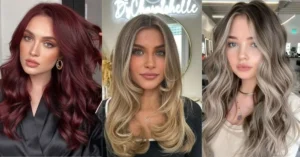
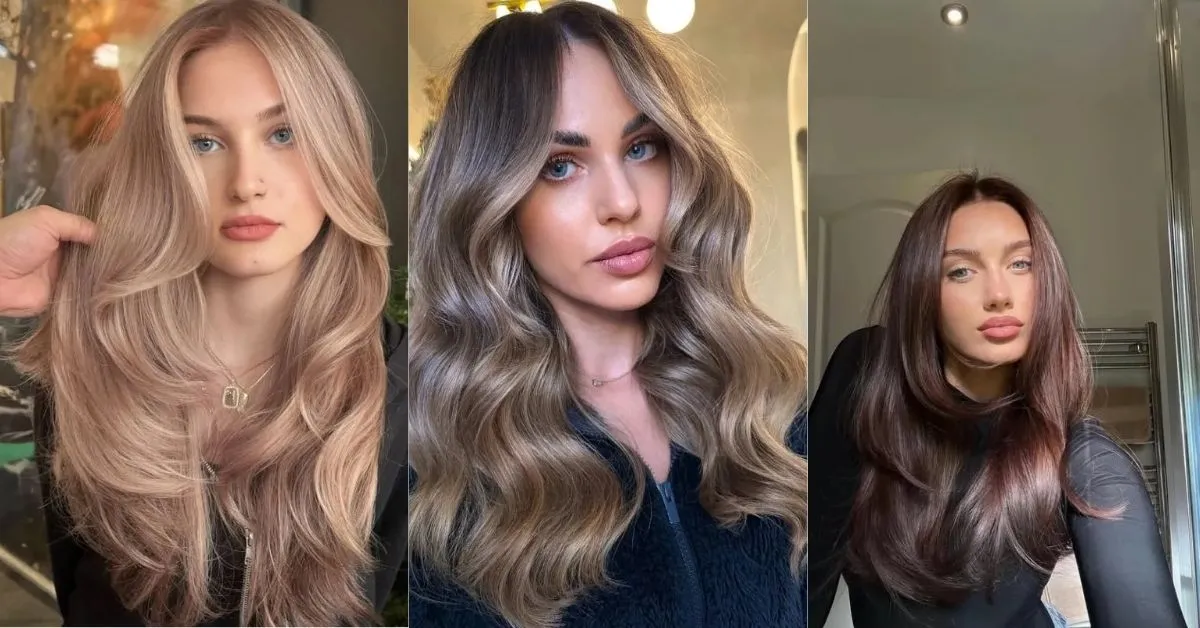
The best hair color for pale skin and blue eyes depends on your preferred look and your skin’s undertone. Copper and auburn add warmth, cool blondes create a soft, light finish, and deep brunettes make blue eyes stand out through contrast.
You don’t have to choose a color simply because you have fair skin. The right shade should complement your complexion, suit your natural hair color, and match the upkeep you’re comfortable with.
Here are 18 beautiful hair colors for pale skin and blue eyes, from natural-looking blondes and brunettes to bold red shades.
1. Copper Red Hair for Pale Skin and Blue Eyes
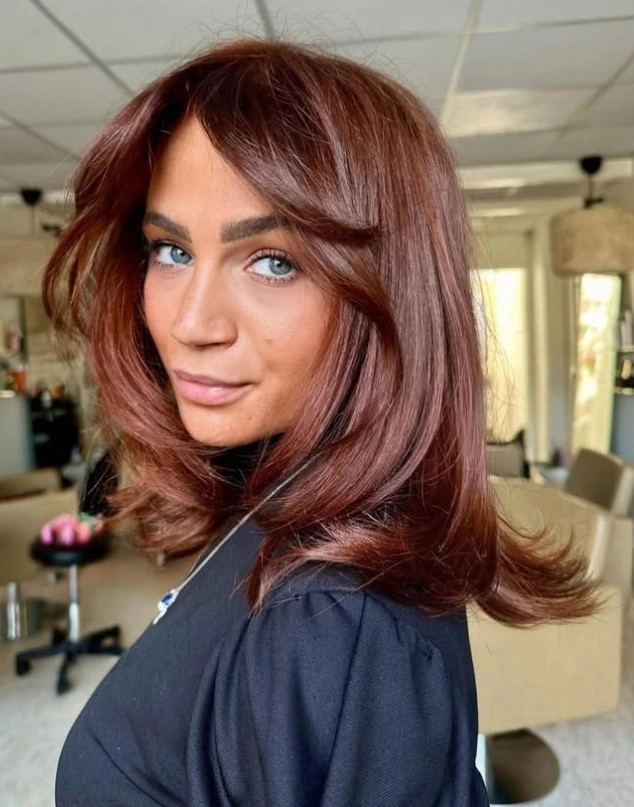
Copper red combines bright red and orange tones for a vibrant, eye-catching finish.
The warmth creates a beautiful contrast with blue eyes, making this a standout option if you want more than a subtle color change.
On pale skin with warm or neutral undertones, copper can look especially harmonious.
If your complexion has strong pink undertones, ask your colorist for a softer, more balanced copper rather than an intensely orange shade.
2. Rich Chocolate Brown Hair That Makes Blue Eyes Pop
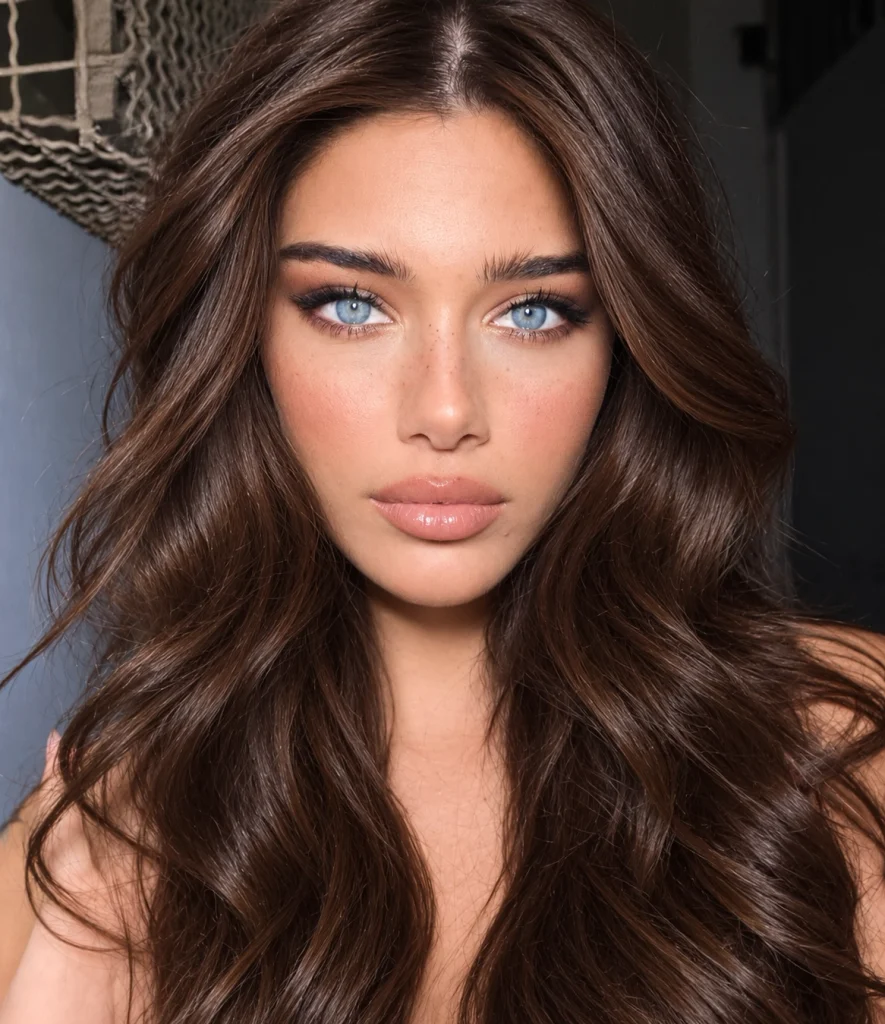
Chocolate brown is a timeless brunette shade with rich, balanced brown tones. Its depth contrasts with pale skin, while its softer finish can feel less dramatic than black hair.
This color is a strong choice if you want glossy, sophisticated hair without going extremely light or dark. Depending on your complexion, your colorist can adjust the shade to be warmer or more neutral.
3. Icy Platinum Blonde for a Bold, High-Contrast Look
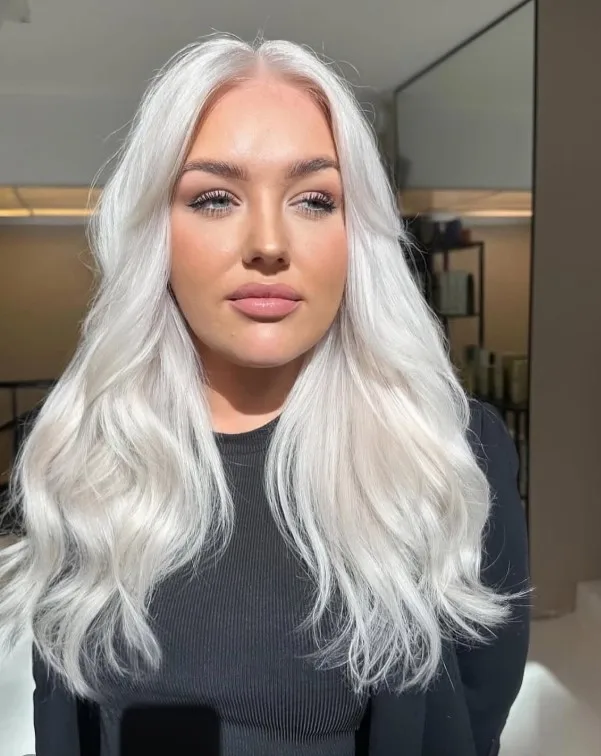
Icy platinum blonde creates a striking look with its very light, cool finish. It works particularly well for people who enjoy an almost-white blonde without strong golden tones.
With pale skin and blue eyes, platinum can create a cool, cohesive appearance.
However, it usually requires significant lightening, especially on naturally dark hair, so hair condition matters. Talk to a colorist before committing to this high-maintenance shade.
4. Strawberry Blonde Hair for a Soft, Romantic Glow
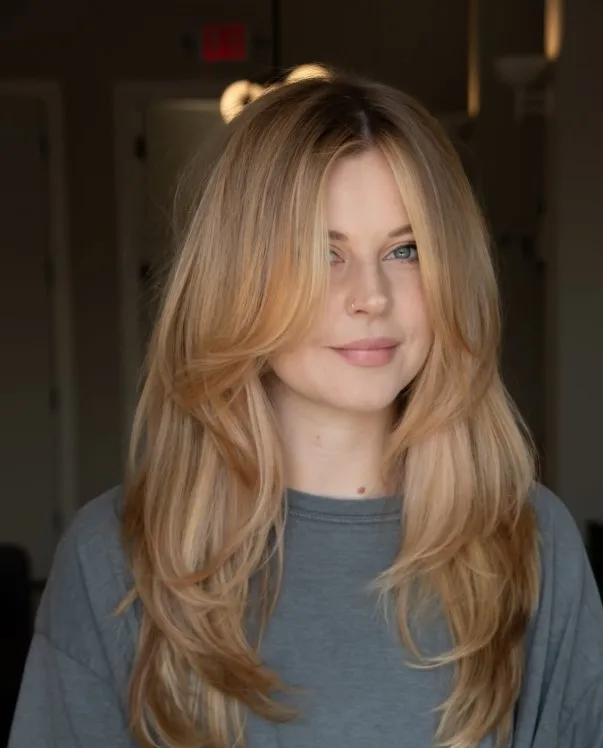
Strawberry blonde blends golden blonde with delicate red or peach tones. It sits between traditional blonde and copper, making it ideal if you want warmth without going full red.
This shade can complement pale skin beautifully, especially when its golden and rosy tones balance your complexion.
Choose a lighter version for a delicate finish or a richer strawberry blonde for more noticeable red warmth.
5. Mushroom Brown Hair for a Cool, Muted Brunette Look
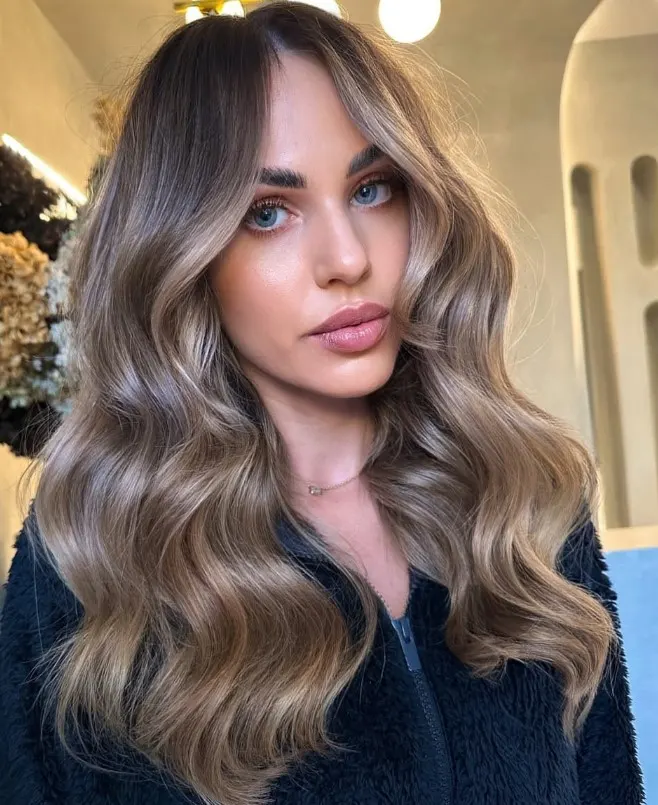
Mushroom brown combines muted brown, beige, and ash tones.
Unlike chocolate brown, it avoids a distinctly warm or golden finish, giving it a more understated appearance.
Consider this cool-toned brunette if your pale skin has pink or neutral undertones and you prefer subtle color. Soft tonal variation through the lengths helps keep the result dimensional rather than flat.
6. Honey Blonde Hair for a Warm, Sunlit Finish
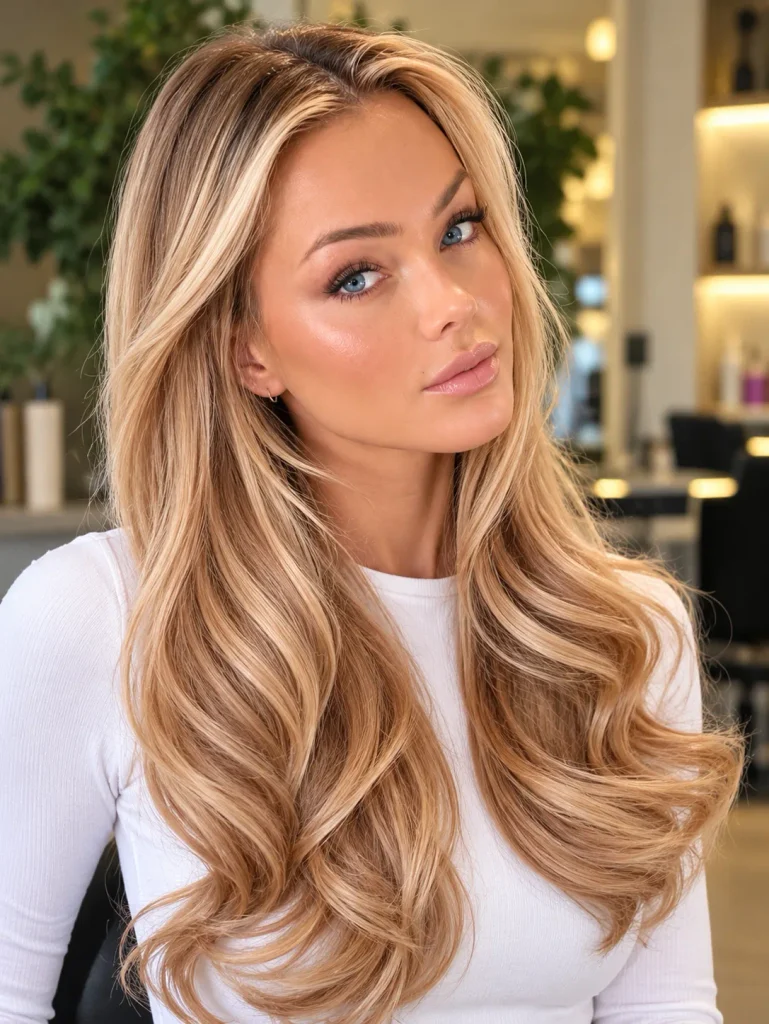
Honey blonde brings golden warmth to blonde hair without going as pale as platinum. Its rich, sunny tones can make the hair look bright and dimensional.
This shade often suits pale skin with warm or neutral undertones.
If your complexion is naturally rosy, a honey-beige blend can provide warmth without looking overly yellow.
7. Glossy Espresso Brown Hair for Deep, Dramatic Contrast
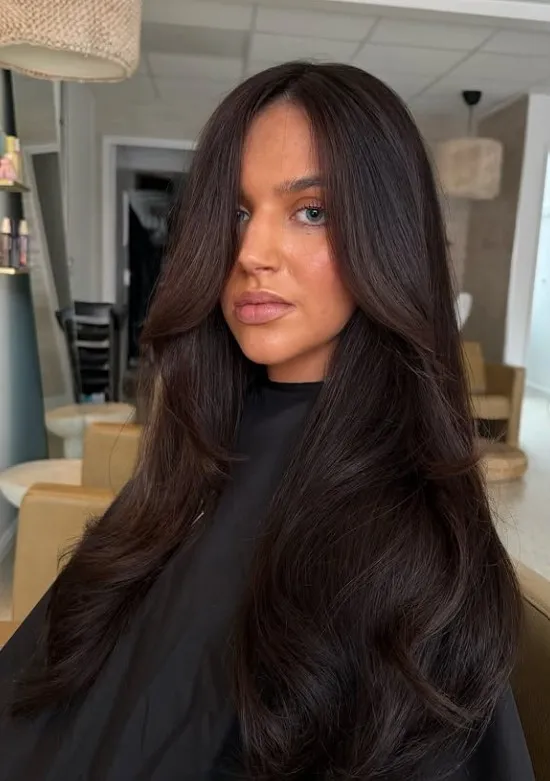
Espresso brown is a very deep brunette with an almost-black appearance. Compared with chocolate brown, it offers stronger contrast and a more dramatic finish.
If you love dark hair but want a little more softness than jet black, espresso is an excellent option. Its deep base can make blue eyes stand out, especially when the hair has a glossy, healthy-looking finish.
8. Champagne Blonde Hair for a Creamy, Luminous Finish
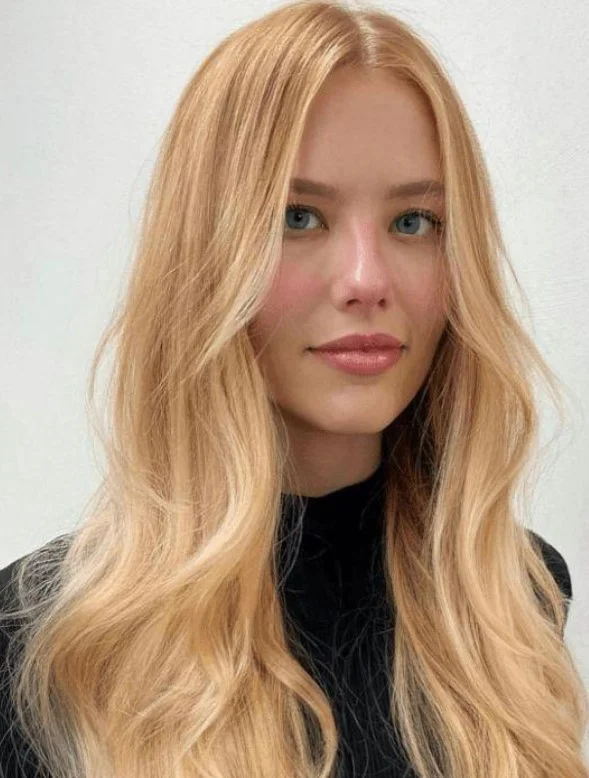
Champagne blonde is a light blonde with creamy beige and balanced neutral tones. It offers brightness without the stark whiteness of platinum or the pronounced gold of honey blonde.
This shade suits people who want a polished, luminous blonde rather than an obviously warm or cool color. A softly blended root can also make the transition from your natural hair less noticeable as it grows.
9. Classic Auburn Hair for Rich Red-Brown Dimension
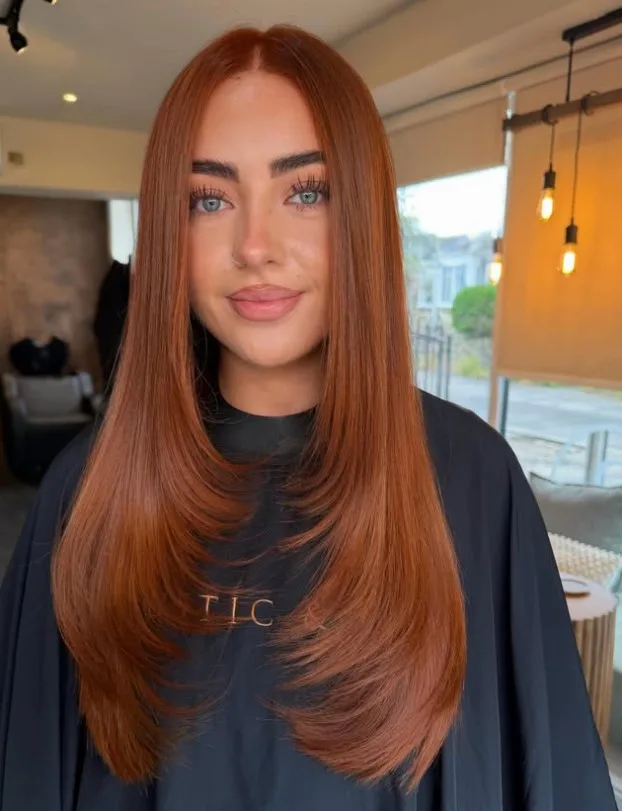
Auburn blends brown with red undertones, creating a deeper and more natural-looking result than bright copper. Depending on the formula, it can appear subtly reddish indoors and more vibrant in sunlight.
For pale skin and blue eyes, auburn offers warmth and contrast without requiring an intensely orange shade.
Choose a brown-based auburn for a subtle change or a redder version if you want the color to stand out.
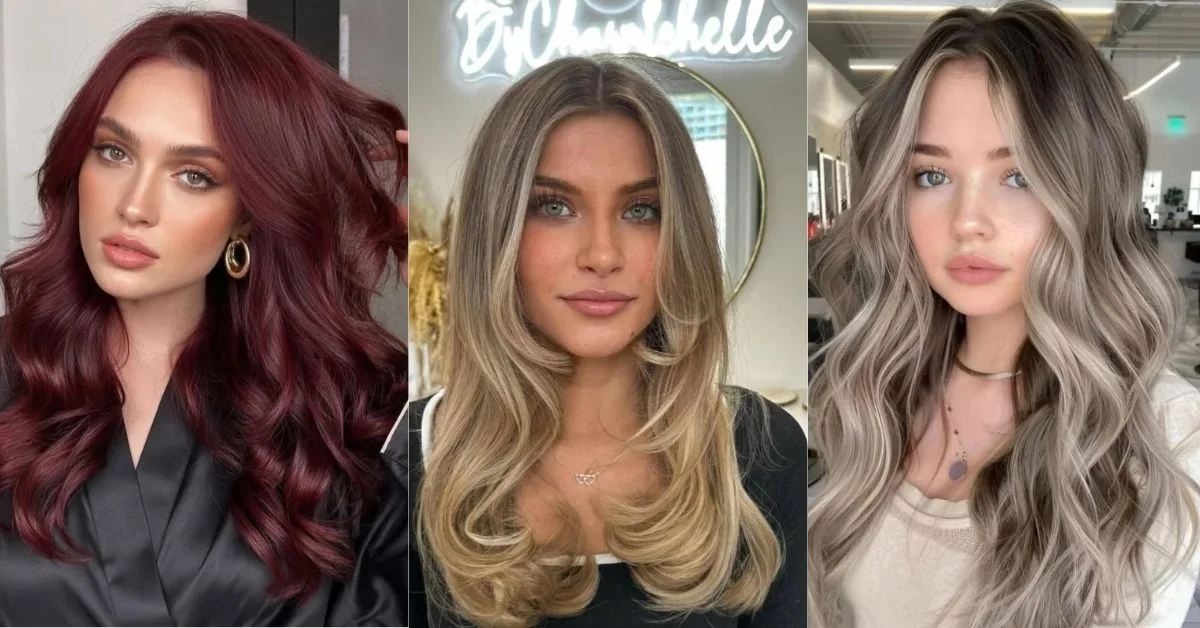
10. Beige Blonde Hair for a Soft, Natural-Looking Color
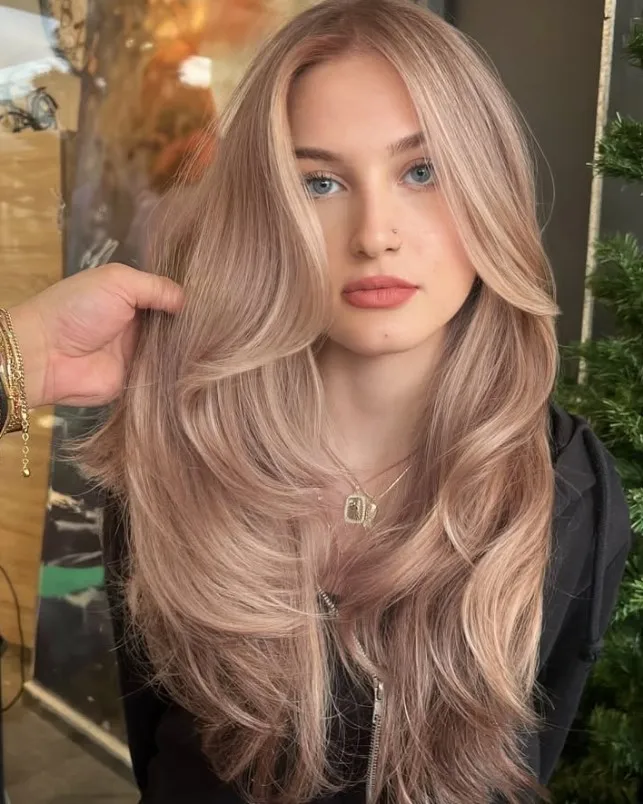
Beige blonde sits between golden blonde and ash blonde. Its sandy, neutral tones create a balanced finish without looking strongly yellow or gray.
It is a useful option if you’re unsure whether a very warm or very cool blonde will suit your pale skin. Beige blonde also works beautifully with subtle highlights and a slightly darker root for a natural-looking blend.
11. Soft Black Hair for Striking Contrast With Blue Eyes
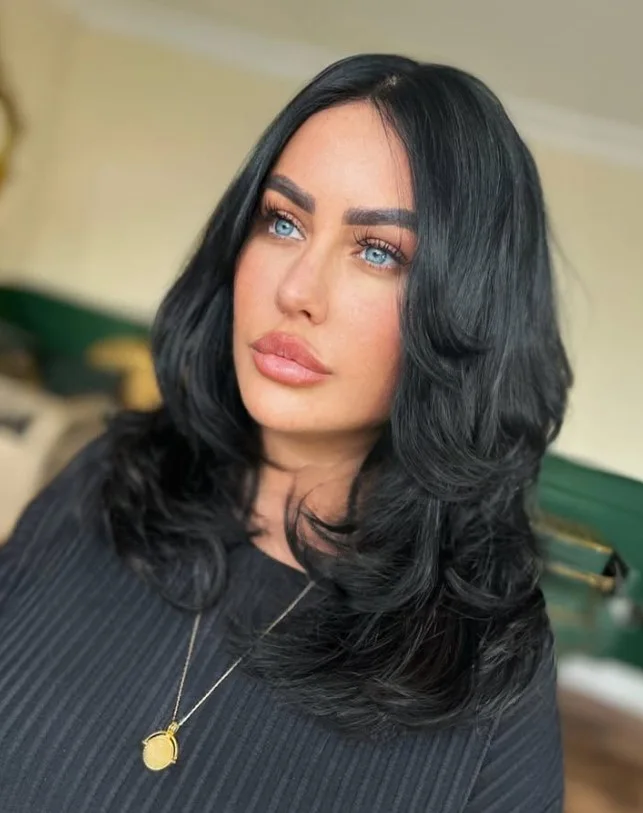
Soft black creates a bold frame around the face and a dramatic contrast against pale skin. It is a good choice if you want a deep, dark color without the distinctly blue cast of blue-black hair.
Because black can be difficult to lighten later, consider starting with deep espresso brown if you’re uncertain. A professional colorist can help you choose a dark shade that complements your natural coloring.
12. Caramel Balayage on Brown Hair for Sunlit Dimension
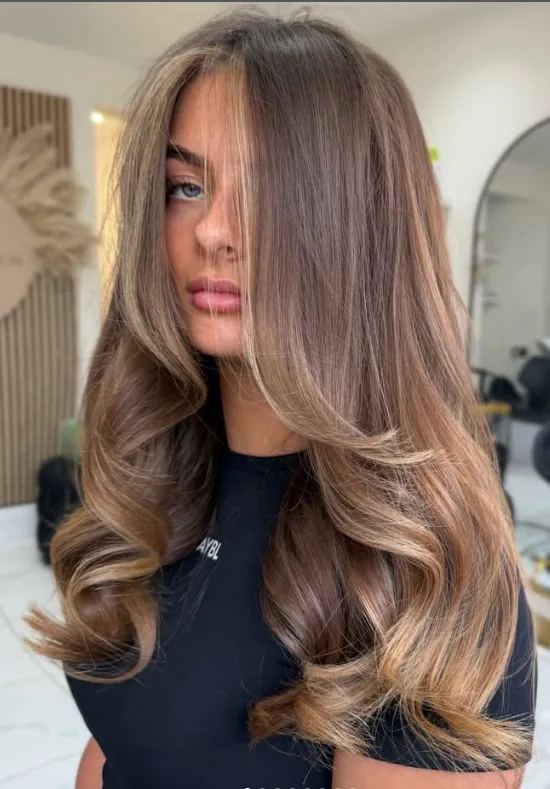
Caramel balayage adds lighter caramel tones to a brunette base, creating movement without changing your entire hair color.
Blended highlights catch the light and give brown hair a warmer, more dimensional look.
This option is especially appealing if you want a noticeable change but prefer to keep your natural roots. You can adjust the placement and depth of the caramel to suit your complexion and starting hair color.
13. Ash Blonde Hair for a Cool, Smoky Finish
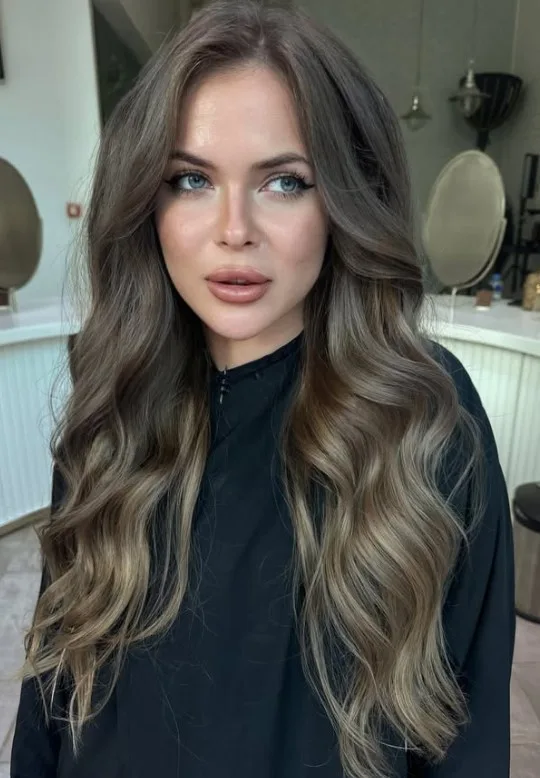
Ash blonde has muted, cool undertones that help minimize strong golden or yellow tones. It creates a more subdued finish than honey blonde and can look particularly striking with cool or neutral pale skin.
Unlike icy platinum, ash blonde can range from dark blonde to a much lighter shade. That flexibility makes it worth considering if you want a cool blonde without going extremely light.
14. Rose Gold Hair for a Delicate Pink-Golden Glow
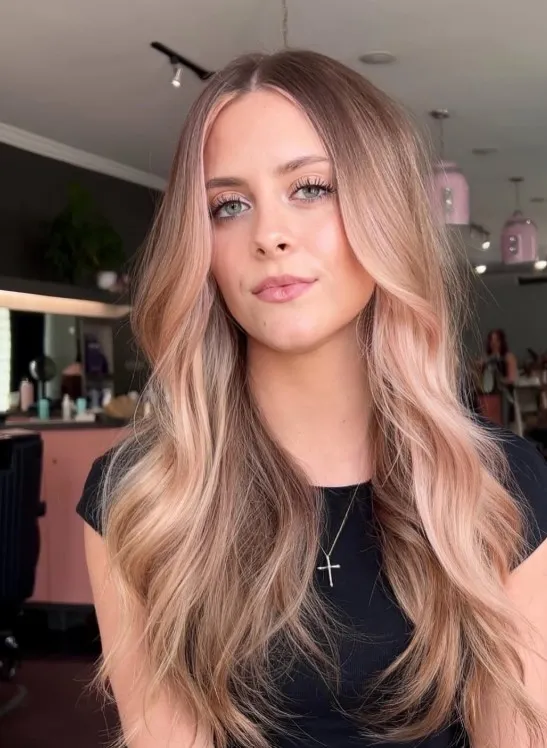
Rose gold blends pink, peach, and golden tones into a distinctive shade. It offers something different from traditional blonde while staying softer than vivid pink or red.
On pale skin, rose gold can create a delicate, rosy effect. A pinker formula may suit cooler complexions, while a peachier version can work well with warmer undertones. Pink tones may fade with washing, so maintaining the color may require extra care.
15. Chestnut Brown Hair for Rich, Natural Warmth
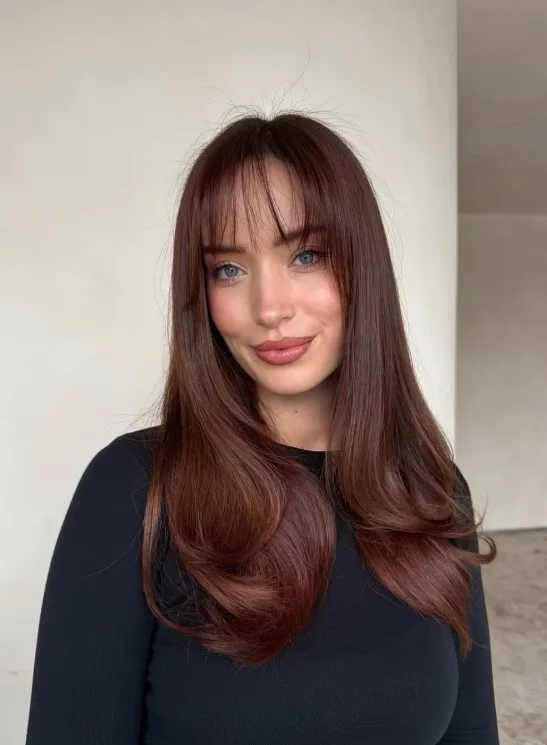
Chestnut brown is a warm brunette shade with reddish or golden-brown reflections. It offers more warmth than mushroom brown but generally looks subtler than auburn.
If you want brunette hair that feels natural rather than dramatic, chestnut is a versatile option.
Fine chestnut highlights can also add dimension without making the overall color appear streaky.
16. Burgundy Hair for a Deep, Jewel-Toned Transformation
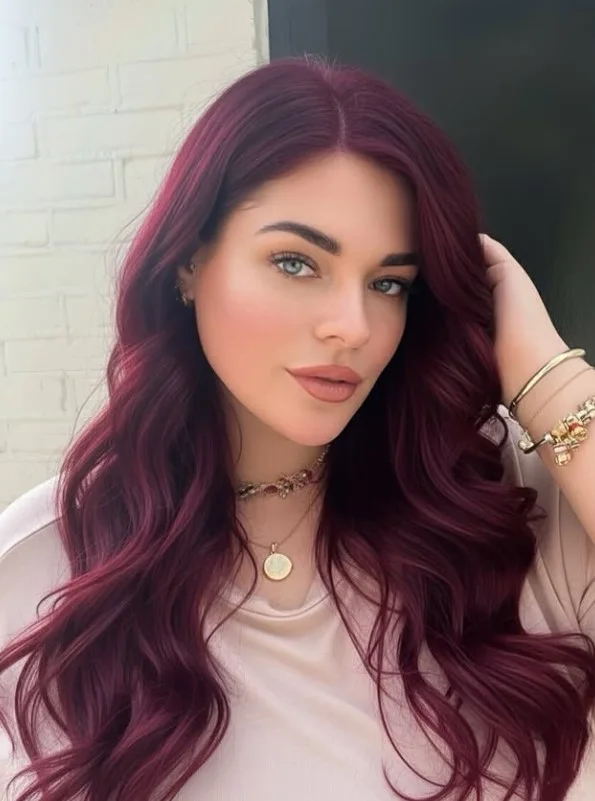
Burgundy brings rich wine-red and berry tones to the hair.
Its deep color makes it a striking alternative to natural auburn, particularly if you prefer cooler, more dramatic red shades.
Against pale skin, burgundy creates noticeable contrast without copper’s brightness. Choose a muted burgundy-brown for a more understated look, or a vivid wine shade for a bolder transformation.
17. Golden Bronde Hair for a Blonde-Brunette Blend
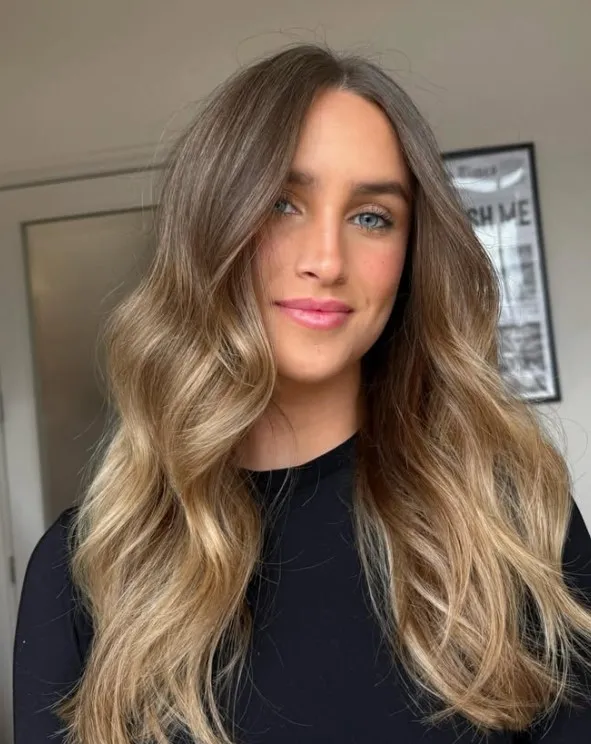
Bronde combines brunette and blonde, giving you brown depth with blonde brightness. A golden bronde adds warm highlights to a brown base without making the entire head blonde.
This shade can suit pale skin with warm or neutral undertones.
It is especially useful if you want lighter hair but still want a brunette base with softly blended roots.
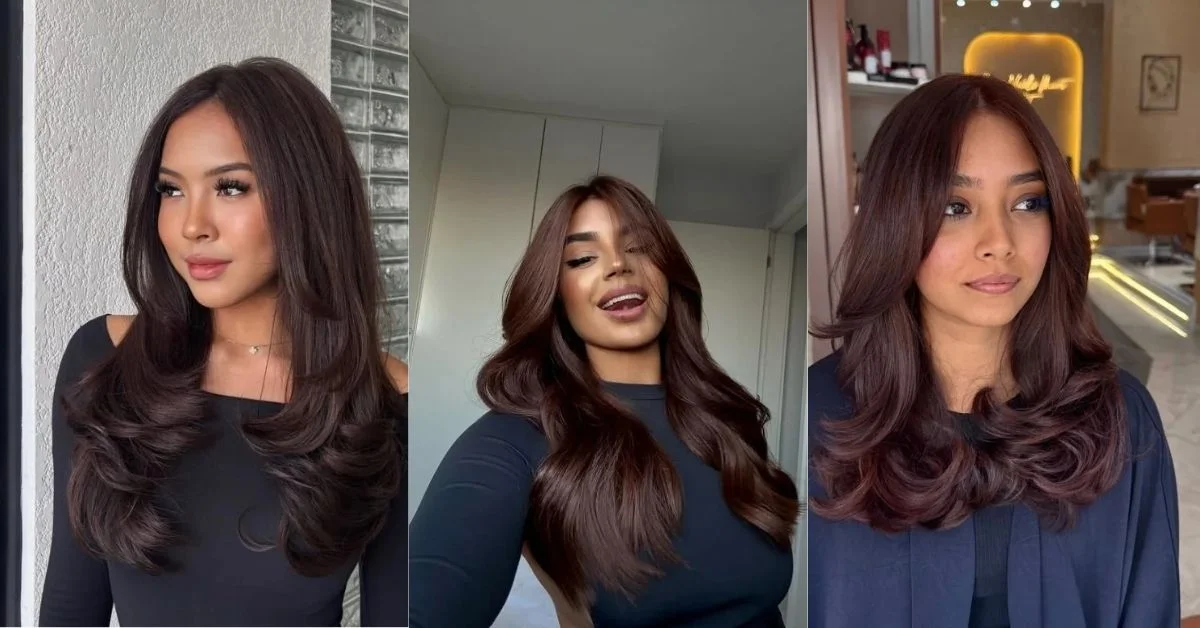
18. Dark Cherry Brown Hair for a Glossy, Red-Violet Finish
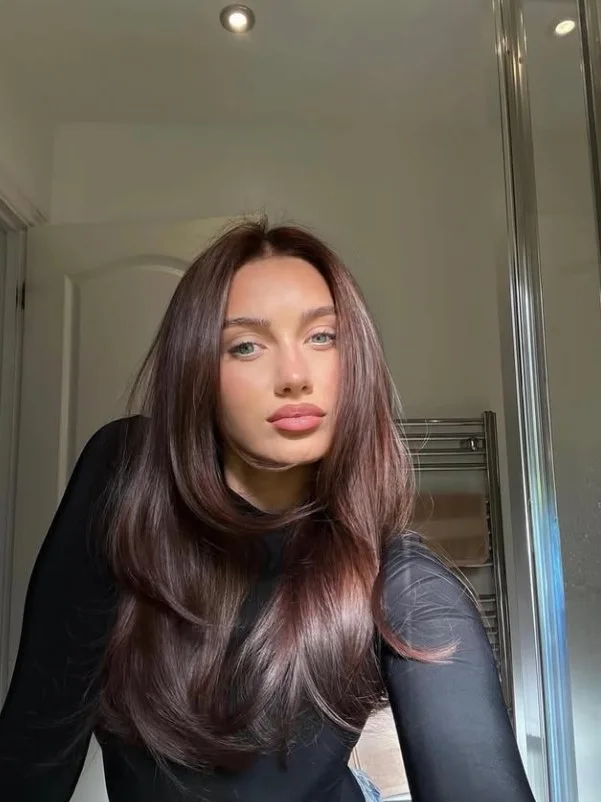
Dark cherry brown combines deep brown with red and violet tones. It looks darker and more subdued than bright cherry red, with red-violet reflections that become more noticeable in the light.
This is a good choice if you want a brunette shade with a distinctive twist.
It also offers a clear alternative to auburn: auburn generally leans toward natural red-brown, while dark cherry has a deeper, berry-like finish.
How to Choose the Best Hair Color for Pale Skin and Blue Eyes
Your skin’s undertone can help you narrow down your options.
- Cool undertones: Consider ash blonde, mushroom brown, icy platinum, or cool espresso.
- Warm undertones: Explore honey blonde, copper red, chestnut brown, or strawberry blonde.
- Neutral undertones: Try beige blonde, chocolate brown, champagne blonde, or bronde.
- For stronger contrast: Consider espresso brown, soft black, copper, and burgundy.
- For a softer, more natural look: Beige blonde, chestnut brown, and blended balayage offer subtler options.
These are starting points, not strict rules. Your natural hair color, hair condition, and preferred maintenance level also influence the result.
Final Thoughts
The best hair color for pale skin and blue eyes complements your complexion and feels right for your personal style. Copper and auburn add warmth, blonde shades range from creamy softness to icy brightness, and deep brunettes create striking contrast.
Save a few color references before your salon appointment and discuss the tones, upkeep, and lightening process with your colorist.
A shade that suits your preferences and is realistic to maintain will be easier to enjoy long after the initial transformation.
Frequently Asked Questions
What hair color looks best with pale skin and blue eyes?
Copper red, strawberry blonde, chocolate brown, ash blonde, and espresso brown are all options worth considering. The best choice depends on your skin’s undertone and whether you prefer a soft finish or stronger contrast.
Does dark hair make blue eyes stand out?
Dark brown, espresso, and soft black can create strong contrast against pale skin, making blue eyes stand out more. The effect depends on your natural coloring and the shade’s depth.
Is blonde or brunette better for pale skin and blue eyes?
Both can be flattering. Blonde shades offer different levels of brightness and warmth, while brunettes create depth and contrast. Choose according to your undertone and the look you want.
Does copper hair suit pale skin and blue eyes?
Copper can be an attractive choice because its warm red-orange tones contrast with blue eyes. The best version depends on your complexion; a balanced copper may suit you better than a very bright orange shade.
What hair color is easiest to maintain?
A color close to your natural shade, or a blended technique like balayage, often needs fewer root touch-ups than platinum blonde or vivid red. Maintenance still depends on your starting color and the result you want.